
Best Jobs for Matric Graduates With No Experience
A matric certificate can help you stand out when your CV doesn’t have much on it yet. Still, employers usually look past marks. The stronger entry-level adverts tend to ask for basic computer skills, good communication, reliability and the ability to learn quickly.
Key takeaways
- For entry-level employers, dependability, communication and basic computer skills can count just as much as marks.
- For recent Matric graduates, customer-facing, production and support jobs are often the simplest routes in.
- A clear one-page CV and an application shaped to the role can lift your chances, even if you have no work history.
- Job alerts and employers’ own career pages can point you to new vacancies before they are taken down.
- Brief courses and real practical examples can make you appear more ready for work than a certificate on its own.
What Matric Jobs usually look like for beginners
| Beginner role | What the advert normally requires | Training required | Why it works for a beginner |
|---|---|---|---|
| Administrative support | Emails, typing, filing, basic spreadsheets, attention to detail | Training is often provided in-house, but organisation is essential | A good fit for school leavers with solid computer literacy and tidy work habits |
| Shop assistant | Customer service, stock control, till operation, shift work | Typically includes onboarding and guidance from a supervisor | Works well if you deal well with people and keep calm during busy periods |
| Sales assistant | Product knowledge, communication, targets, patience | Moderate training, usually linked to sales scripts | Suits self-assured candidates who speak clearly and stick to the process |
| Production worker | Following instructions, being punctual, safety awareness, stamina | Training is often given on the line, but attendance counts from day one | A hands-on choice for applicants who can manage routine tasks and work in a team |
| Technician support | Basic technical interest, problem-solving, hand tools, note-taking | Training is more structured, with senior staff sometimes being shadowed | Works for people who are comfortable picking up processes and working with care |
| Job-board examples | Quality Assurance Analyst, Electronics Technician, Account Manager, Assembly Technician | Differs by employer and sector | Indicates that some 'Matric Jobs' appear under formal-sounding titles, rather than only broad entry-level labels |
Job-board wording is useful because it shows how employers actually describe these roles. LinkedIn Jobs includes titles such as Analyst - Quality Assurance, Technical Training Specialist, Accounts Manager and Assembly Technician, while Indeed shows Quality Assurance Analyst, Electronics Technician and Account Manager in its matric-related results. LinkedIn Jobs Indeed.
That matters because some roles really are suitable for beginners, while others expect you to arrive with a bit of technical grounding already in place. Production and support jobs usually lean more on training. Quality assurance, account handling and technician roles often need you to be more ready from day one.
The best job options to target first
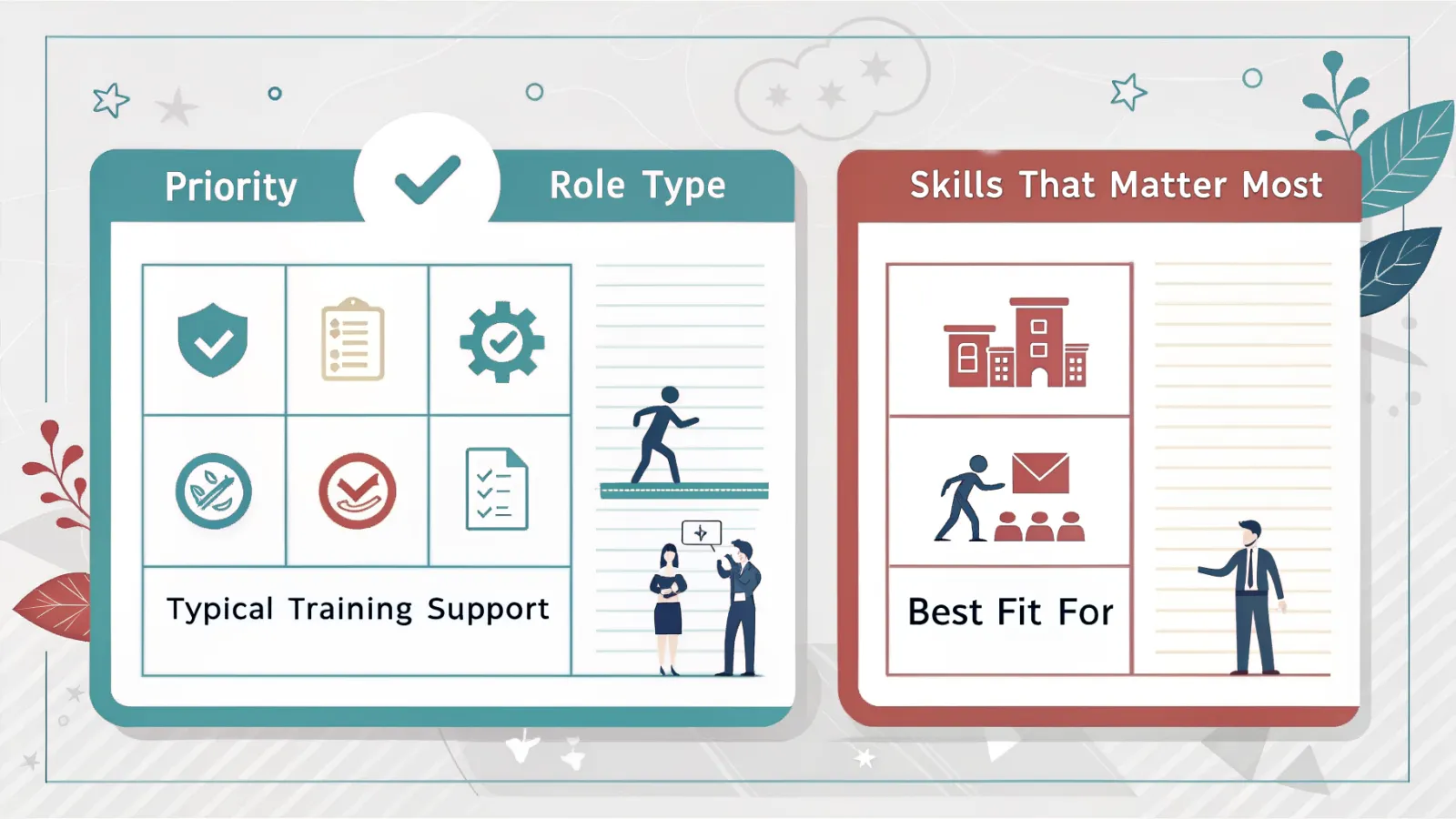
| Ranking | Type of role | Most important skills | Usual training support | Best suited to |
|---|---|---|---|---|
| 1 | Production worker | Dependability, instruction-following, safety awareness, stamina | Frequently high | School leavers able to stick to early starts and regular routine work |
| 2 | Retail or customer-facing support | Communication, patience, basic money handling, teamwork | Generally moderate | Applicants comfortable talking to people and coping with busy periods |
| 3 | Sales coordinator | Organisation, email writing, basic spreadsheet skills, follow-up | Moderate | Applicants with sound admin habits and the confidence to keep tasks coordinated |
| 4 | Machine operator | Concentration, attention to detail, safety awareness, steady consistency | Frequently high where the employer operates a structured site | Those who enjoy hands-on work and can learn precise processes |
| 5 | Technician support | Basic technical curiosity, note-taking, solving problems | Varies, and is often more selective | Matriculants with some practical exposure, even from school projects or hobbies |
| 6 | Quality-related entry roles | Accuracy, following instructions, quality checks, reporting | Less training, greater readiness | Applicants able to show care, patience and a disciplined approach |
Careers24 currently shows a wide mix of no-experience vacancies, including Multi Skilled Employee, Sales Coordinator, Citrus Grading & Sorting Machine Operator and Supervisor - Fresh Production. That suggests some employers still put attitude and consistency high on the list when hiring. Careers24.
Ster-Kinekor Theatres Pty Ltd also appears in those searches, which is a useful reminder that customer-facing work can be a solid first step if you want clear expectations and structured shifts. Add a driving licence, basic digital skills or a short admin course, and you may have a better shot at roles that need more independence.
Nedbank’s careers guidance points to a practical truth: many people start working without a degree or diploma, then build qualifications while they’re employed. In plain terms, the best first job is often one with training, structure and a clear route to the next position. Nedbank.
How to apply for Matric Jobs without experience
- Put together a one-page CV that starts with your matric results, subjects, school projects, volunteer experience, part-time assistance and references. Use a tidy layout, stick to one font, and ensure your contact details are simple to spot.
- Adapt your CV for the specific advert. Where the vacancy mentions computer literacy, teamwork or stock control, include those exact terms only where they genuinely match what you have done.
- Set up job alerts and send applications every day through sites such as Indeed, LinkedIn Jobs and ZipRecruiter, as new vacancies can be taken quickly. ZipRecruiter says fresh openings are added daily, meaning early applications can count ZipRecruiter.
- Have brief interview examples ready that demonstrate reliability, punctuality and the ability to learn. Mention school attendance, sport, committee involvement, church duties or family responsibilities only when they truly support those qualities.
- Get the key documents organised before applying: ID copy, matric certificate or statement of results, proof of address and reference contacts. When certificates are requested, submit clear PDF files instead of blurred photos.
Where to search and how to spot real opportunities
- Use search terms such as matric, no experience and entry-level on LinkedIn Jobs, Indeed, ZipRecruiter and Careers24.
- Check company career pages alongside job boards, as some roles appear there first and are later removed from aggregators.
- A genuine advert should usually show a proper company name, a clear location, a salary band or rate, and responsibilities that fit the job title.
- Study the advert closely for shift patterns, transport requirements, probation periods and documents the employer expects.
- Turn on alerts and leave phone notifications active so you can reply fast when a suitable vacancy comes up.
How to stand out when everyone has the same certificate
The easiest way to look employable is to seem dependable all the way through your application. If you call yourself punctual, back it up with perfect school attendance, a regular volunteer role or a part-time duty you kept going for months, not just weeks.
Use proof, not adjectives
Employers trust evidence more than a line saying you’re hardworking. A short note about helping with stock in a family shop, organising class files or managing a WhatsApp group for a youth project gives them something concrete to assess.
Treat short courses as signal, not decoration
Basic Excel, email etiquette, customer service or a first aid course can help because they reduce the training an employer has to give you on day one. Informal learning counts too, as long as you can explain what you used it for and how recently you used it.
Read the career path, not just the vacancy
Some employers keep the starting point simple because they expect staff to take on more responsibility later. Nedbank describes certain careers as pathways that can begin after matric and grow through workplace experience, which may suit someone who wants work now and progress later. Nedbank.
That’s why presentation matters. If the role asks for them, a neat CV, sensible email address, clear profile photo and professional tone in messages make you look ready for a real workplace, rather than like someone firing off applications at random.
Your prospects can improve faster if you focus on roles that offer training, show clear proof that you’re reliable, and keep applying through the main job boards. Don’t wait around for the perfect first job. Look for a role that teaches you how work actually runs day to day, then use that as your way into better opportunities.
Frequently asked questions
Can I get a job with matric and no experience?
Yes. A matric certificate can still get you into entry-level work, especially where employers care about reliability, communication and a willingness to learn. Plenty of adverts also mention basic computer skills and punctuality, so include those clearly if they apply, even if your CV is still fairly light.
What jobs can I do straight after matric?
Common starting points include retail, admin support, sales coordination, production work and junior technician roles. The article also points to beginner-friendly vacancies such as customer-facing jobs, machine operator posts and support roles, where some employers train you while you build experience.
Do employers care if I have no experience?
For starter roles, employers often care more about attitude, punctuality and basic skills than a long work history. That said, some jobs aimed at matric graduates still expect you to be more prepared, especially in technical, quality assurance or account-handling roles.
Where should I look for Matric Jobs?
Start with LinkedIn Jobs, Indeed, Careers24 and ZipRecruiter, then check employer career pages as well. The article notes that some vacancies appear on company sites first, so it’s worth looking at both the big job boards and direct employer listings.
How can I make my CV better without work experience?
Keep it to one page, with your matric results, subjects, school projects, volunteer work, part-time help and references easy to find near the top. Add any short courses or computer skills, and, where it’s true, use the same wording as the advert, such as teamwork, stock control or computer literacy.