
Internship Opportunities for Young Professionals
For a young professional, an internship can be the quickest move from academic knowledge to skills you can actually point to. A good placement gives you current workplace experience, sharpens your judgement and helps you work out which industry genuinely suits you.
Key takeaways
- Pick internships where you will carry out hands-on work rather than simply watch others.
- Look at university portals, employer websites and specialist job boards.
- A worthwhile placement ought to be paid, well organised and aligned with your aims.
- Show proof of what you can do in your application, rather than relying on general statements about being enthusiastic.
- Treat the internship as a chance to gain experience that will support your move into the next job.
What internships actually do for early-career candidates
An internship helps close the gap between education and a first graduate job by putting you into supervised work before you commit to a full career path. In the UK, that matters. Employers often want signs that you can learn on the job, not simply pass exams or complete coursework.
That matters because early-career recruitment usually runs on evidence, not promises. If you have already handled admin, reporting, client communication or technical work in a structured setting, you can talk about work you have actually done rather than only saying you are keen to learn.
The best placements do two useful things at once. They build practical ability, and they let you test an area such as audit, tax, engineering, data or tech before you choose a longer route, including a graduate scheme.
A simple test is whether the internship offers workplace training, supervision and a clear learning outcome. UK applicants should also check whether the role is linked to a university, employer or sector body, as that usually suggests it has been designed for training rather than used as short-term labour.
A strong internship should leave you with four clear results: practical skills you can name, sector knowledge you can explain, stronger material for your CV and a better idea of what to do next. If it gives you none of these, it has probably used up your time without moving your career forward.
Where to look for internships and how to search efficiently
| Route | Most useful for | Points to check |
|---|---|---|
| University careers portals | Live opportunities connected to your course or campus network | Listings may be limited, so review them regularly and narrow results by sector and start date |
| Career centres and employer-facing hubs | Placements that match your degree or intended career path | Check for named employer contacts and clearly stated application deadlines |
| Job boards for specialist roles | Wider searches by location and type of role | Apply filters to remove unsuitable or out-of-date vacancies |
| Websites run by employers | Direct access to scheme information and entry criteria | Look for pages that list clear duties and a set duration |
| Internships.com | Automated searches, tailored application support and alumni referral links | Helpful when you need matching assistance instead of searching manually |
Start your search where current, relevant opportunities are most likely to appear. In the UK, that usually means university careers services, employer websites, graduate recruitment pages and sector-specific job boards, as these sources are more likely to say whether a placement is formal, paid or tied to a team such as audit, tax or software.
Internships.com, from Chegg, may help if you want the search process to carry more of the load. It offers automated matching, application customisation and links to alumni who may be able to refer you, which can be useful when you are applying for several roles at once. Internships.com
Industry-focused sources matter too. NASA lists two main student routes, the Office of STEM Engagement internships and Pathways Internships, but the useful point for UK readers is the structure rather than the location: look for programmes with a clear route, proper supervision and named entry points, not vague work experience. NASA
If you already have a sector in mind, use university careers pages together with employer-run recruitment pages rather than relying on one source. Colorado State University’s Career Management Center features an internship at Forvis Mazars that helps applicants decide whether audit or tax is a better fit, making it a useful example of a description that explains the purpose of the placement as well as the employer’s expectations. Colorado State University Career Management Center
Specialist boards can speed things up too. Built In Colorado refreshes internship listings daily for Denver and Boulder, which shows how niche platforms can surface live roles quickly. For UK candidates, the practical lesson is to filter by sector, location, start date and role type, so you compare like with like instead of browsing aimlessly. Built In Colorado
How to judge whether an internship is worth applying for
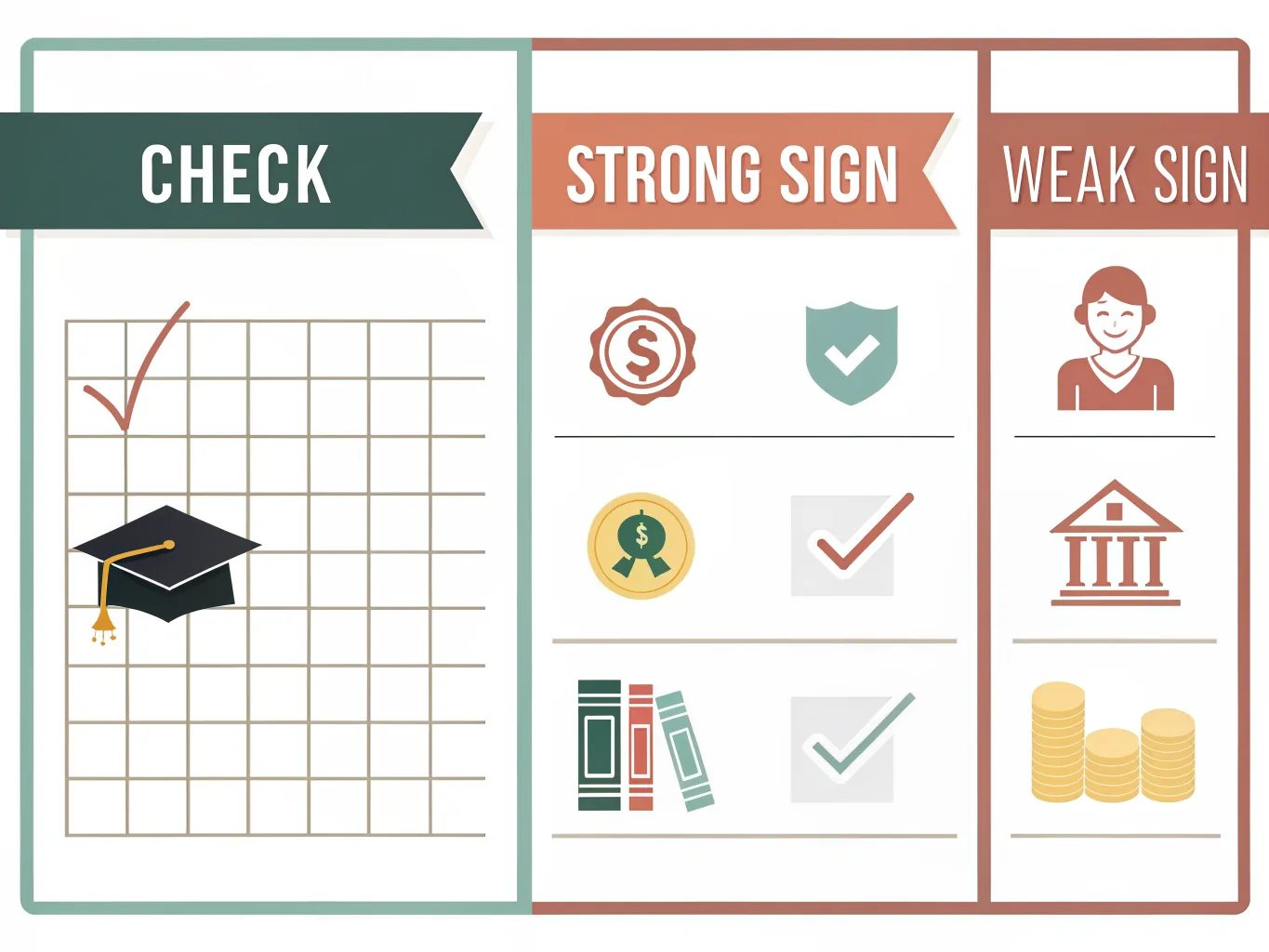
| Review | Positive sign | Negative sign |
|---|---|---|
| Remuneration | A specific wage or stipend is given | Pay is missing or not disclosed |
| Organisation | Clear responsibilities, oversight and feedback | Unclear “support” tasks with minimal guidance |
| Development | Specified skills, tools or results | No detail on what you will learn |
| Fit | Links to your chosen sector or next role | Seems engaging but adds no useful proof |
| Real-world cost | Travel, location and length are workable | Commuting or moving expenses cancel out the benefit |
Check first whether the internship is paid and properly structured. Payment alone does not make a placement better, but it is easier to justify when there is real responsibility and a clear timetable, as that usually means the employer has planned supervision rather than looking for cheap labour.
It is also worth asking whether the work fits the direction you want to take. An audit role may suit someone considering accountancy, while a technology placement with a startup could build product, data or support experience; both can be valuable, but only if they support the story you later want your CV to tell.
Ask yourself one plain question: after this placement, what could I honestly say I have done that I cannot say today? If the answer is only that you sat in meetings and watched staff work, keep looking. If it includes tools you used, tasks you completed and feedback you received, it is likely to be a stronger option.
The University of Denver Career & Professional Development team explains how internships can improve employability, which is why placement quality matters more than the number you complete. One worthwhile internship may do more for your job search than several weak ones. University of Denver Career & Professional Development
The practical details matter just as much as the job title. Check the length of the placement, where it’s based, what travel will cost, and whether you’ll be doing routine admin, project work or technical tasks. Those details affect what you learn and what the experience ends up costing you.
How to apply with a stronger chance of success
- Adapt your CV and cover letter for every role. Borrow the employer’s language where it genuinely applies, but make sure the detail reflects your own experience and steer clear of copy-and-paste applications.
- Use proof from part-time jobs, volunteering, coursework and projects. If you have not yet completed a formal internship, demonstrate that you learn fast, meet deadlines and can work well with other people.
- Match the job description with care. Refer to suitable tools, software, methods or sector knowledge so the recruiter can quickly see the fit without it looking forced.
- Fill in online profiles thoroughly and follow all instructions. Where a platform provides matching tools, alumni connections or tailored application support, use them as part of the application process rather than treating them as optional add-ons.
- Check your application for basic mistakes. A tidy submission shows attention, and that matters in fields where detail is part of the work.
The strongest application is usually the most focused one, not the one with the biggest claims. Start with the role, then build your evidence around what the employer has asked for. General enthusiasm is rarely as convincing as a profile that clearly fits the vacancy.
If a platform can help with alumni referrals or tailoring applications, use that support properly. It’s there to improve your fit for the role, but it only works if your profile is complete and your documents are clear enough for someone to recommend you without hesitation.
How to turn an internship into long-term career value
An internship has far more value if you record it properly while it’s still fresh. Before the details blur, write down the tasks you handled, the tools you used, the problems you solved and any feedback you were given.
Ask for something you can use later, such as a reference, a LinkedIn recommendation or a completion certificate if the employer offers one. Keep a clear record of results too. The best interview answers often come from notes made at the time, not from trying to remember everything six months later.
This is also where a placement can help you make better career decisions. A short period in audit might show you like the pace; a tax placement could reveal that technical analysis suits you; a STEM internship might confirm that structured problem-solving feels better than client-facing work. Direct experience is often the quickest way to rule options in or out.
That evidence should carry weight when you apply for graduate roles. Instead of simply saying you’re interested in a sector, you can explain what you did, what you learned and how you handled pressure. Your next application will sound grounded, not just optimistic.
A good internship strategy is deliberate. Search in the right places, judge the work carefully, apply with precision, and then turn the placement into evidence that you can add value in a professional setting. That’s how an internship becomes a credible career step rather than just a short stint.
Frequently asked questions
Are internships worth it for young professionals?
Yes, as long as they give you real tasks, proper supervision and evidence you can use in later applications. The best placements help you turn classroom learning into proof of ability, while also showing you which sector really fits before you commit to a longer route such as a graduate scheme.
Should I only apply for paid internships?
Paid roles are usually the better option, but an unpaid placement can still be worth considering if it’s well structured and includes genuine training. The key question is what you leave with: practical skills, sector insight and stronger CV content, rather than just time spent watching other people work.
What makes a good internship application?
A good application is targeted. Your CV and cover letter should be shaped around the role, with examples that show you can learn quickly and contribute from day one. If the internship is linked to a specific area such as audit, tax or tech, make that connection obvious in how you present your experience.
Where can I find internship listings quickly?
Start with university career centres and employer websites, as they often carry the newest and most relevant opportunities. Specialist platforms such as Internships.com can also speed things up by helping you match roles and manage several applications more efficiently.
How long should an internship be?
No single duration works for every placement, but it should be long enough for you to take on real responsibility, build practical skills and gain credible experience for your CV. For most people, that means several weeks to a few months, rather than a short shadowing stint that leaves you with little to show afterwards.